
Meet Our Ambassadors
Our 2025-2026 EKBN Ambassadors span a wide range of roles across the education system and have been recognized by their peers as advancing the work of knowledge brokers in their respective sectors. Over the next year, you’ll learn more about our ambassadors through spotlight features during the month they host a network hour. This month, we invite you to learn more about Phil Vahey.
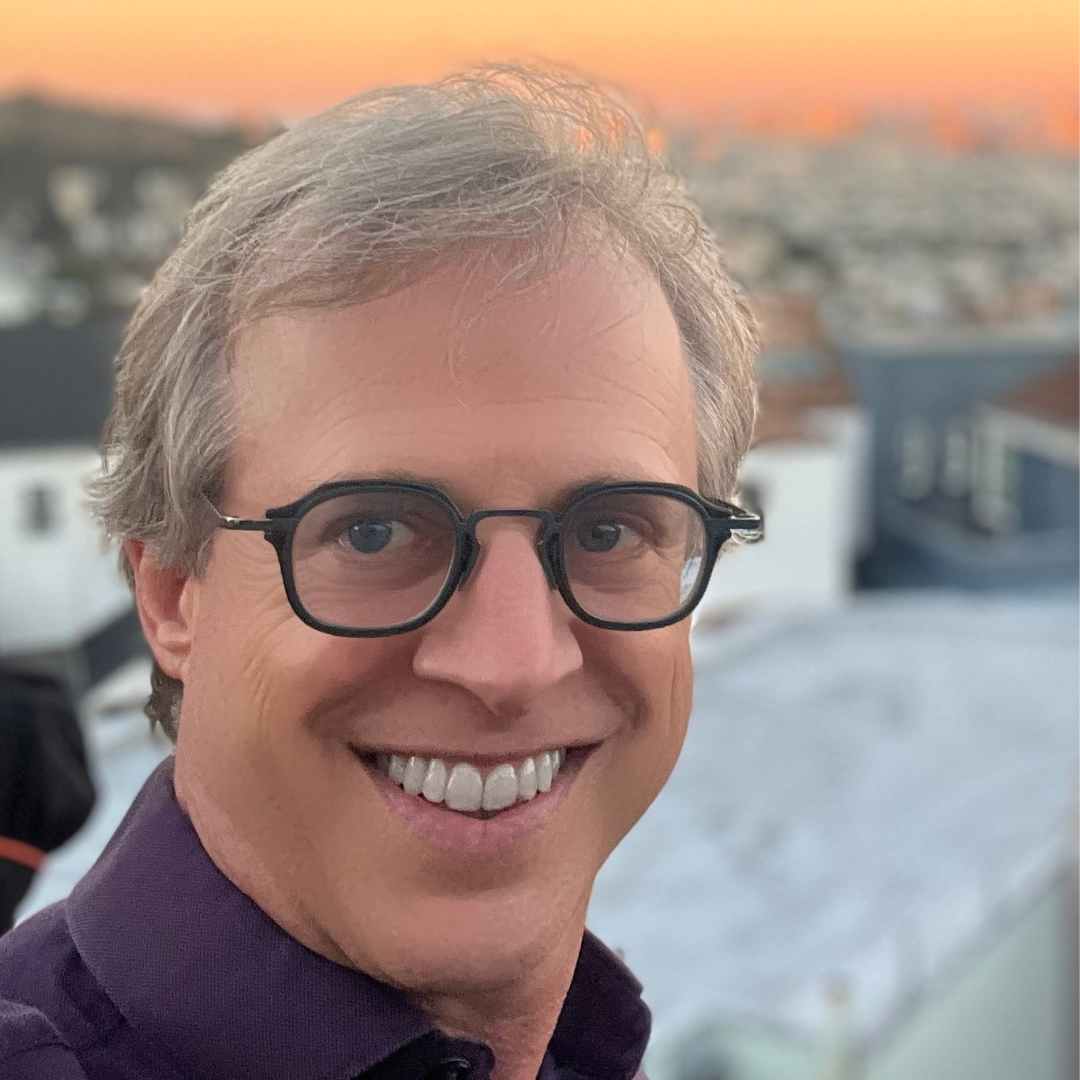
Phil Vahey, Ph.D.
When did you begin to identify as a knowledge broker?
The ideas behind knowledge brokering were simmering in the background as I was working in the Design-Based Implementation Research (DBIR) field (early 2000s), and finding that much of my work was in helping different groups (learning scientists, software developers, teachers, assessment designers, evaluators, district personnel) understand each other. This need broke into full view during a DBIR project on preschool math that involved educators, learning scientists, professional learning experts, preschool assessment experts, and a professional design team, where we found that, even after spending significant effort on creating a shared understanding of the learning goals and processes we were to use, large scale miscommunications initially led to misunderstandings and frustration for everyone in the project. We were able to work through these issues and create a highly functional cross-disciplinary team through the creation of our “Learning Blueprint”, which brings me to the next question…
What is a tool or resource for knowledge brokers that you recommend?
We came to a point where frustration was high and it seemed that our project might fail due to a lack of communication and coordination among the different teams. This led us to create the “Evidence Based Curriculum Design Framework”, and more specifically, our “Learning Blueprint”, the tool I would recommend and which is the focus of an open access journal article.
Why is EKBN important to you?
The goal of educating the next generations of society is extraordinarily important and complex. It takes many dedicated people, with diverse sets of expertise to create effective and engaging learning environments. If we want to have a positive impact on the lives of students, it is imperative that we learn from each other, and build on the varied areas of expertise that we all bring. This makes Knowledge Brokering one of the most important levers we have in improving education.
How do you like to connect with people?
Connect with me on LinkedIn or contact me via my website.
Join Phil at the Network Hour on November 13, 2025, 3-4p ET. Register here!